Thoughts on Labubus

Labubus rose to popularity in 2024 in the States. They’re so popular that people are having them stolen off of their bags. Labubus are collectible dolls that come in variations. There’s a class divide between people who have a real Labubu and those that have a Lafufu (fake Labubu). Later I’ll touch on why I have an appreciation for people who buy Lafufus. Is there a genuine reason behind why people are collecting these feral looking little monsters? Are they cute? Some people probably think so. Other people are convinced they’re demonic because of their fiendish attributes and ankle biting teeth. In fact, I saw a Tik Tok of a girl who blessed her Labubu with holy water.
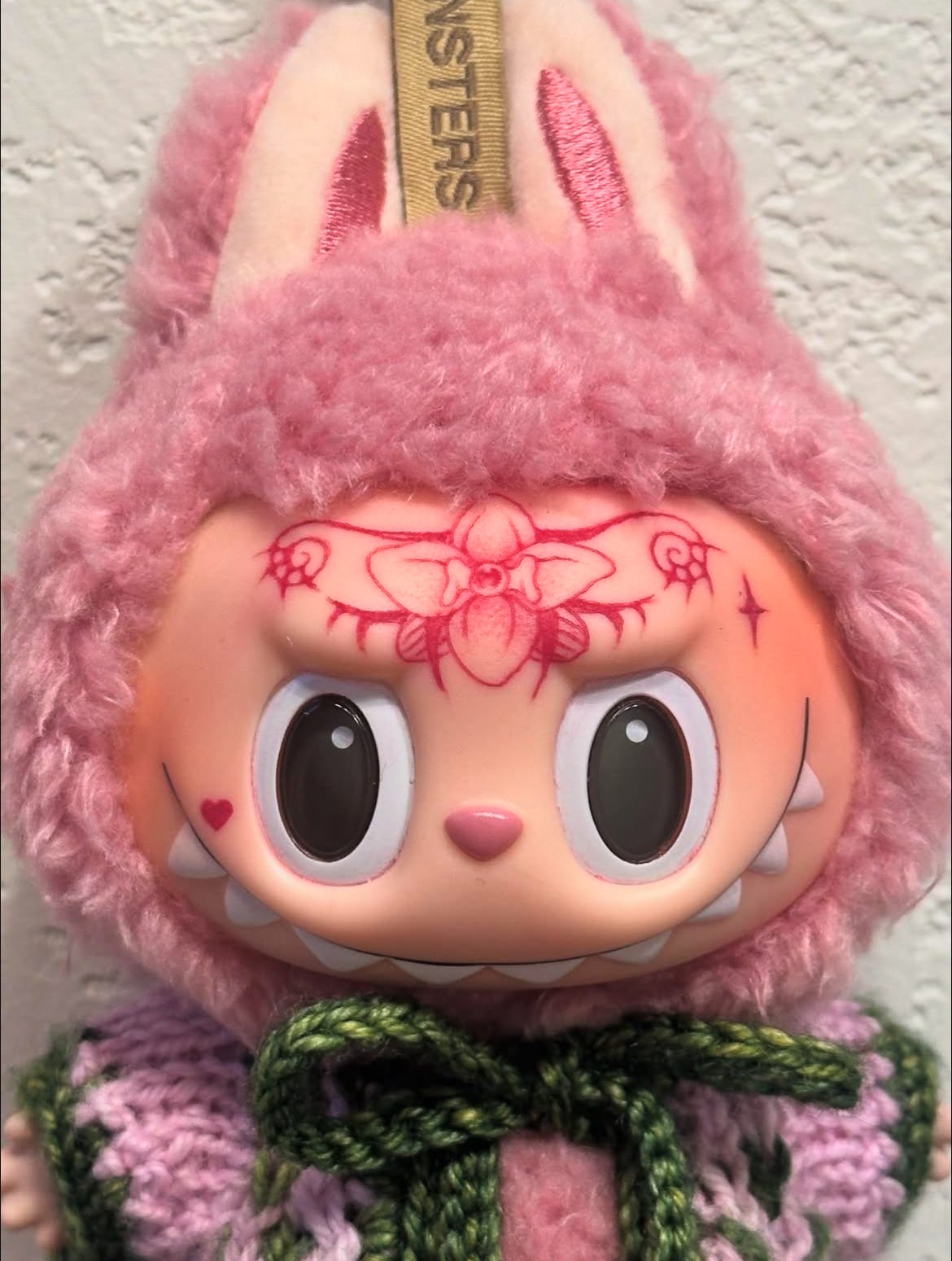
Kasing Lung, an artist from Hong Kong was inspired by Nordic folklore he read as a child to create the ‘Little Monsters’ stories, which is where the Labubu is first seen. According to NPR, Lung immigrated with his parents from Hong Kong to the Netherlands when he was young. Are most people who collect Labubus aware of the oral histories and culture behind the Labubu? It’s not likely because it has become a trendy object that appears removed from its original capacity. However, I don’t doubt that there is a niche subgroup of collectors that are very familiar with ‘The Monsters’ lore and they possess specific knowledge about it. Lung began working with POP MART in 2019 to release the ‘Monsters’ series. The figures were received very well and pop stars like Lisa from BLACKPINK began wearing them and posting them on social media.
The figures have become so sensationalized that people were recently at a Pride parade and ICE protest dressed like Labubu mascots. Pride and dismantling ICE are essential to my political values. Investing in community and protecting it are important to me. It does not go unnoticed when a select group who are part of a movement decide to co-opt fictional characters for a very real cause. It can be read as diminishing when people use trendy characters as the face of a movement, instead of real, living people who make up communities. Sure, a Labubu and Hello Kitty waving a pride flag is cute but what does it really signal? Sometimes the signal is relegated to static, missing the mark, obfuscating the real agenda. This allows commercialization to seep through the cracks. Maybe I’m being too practical. Co-opting Labubu’s for political movements not only undermines praxis, it also displaces the figure itself. A lot of people who are buying Labubus do not know what they really are. Live and let live.
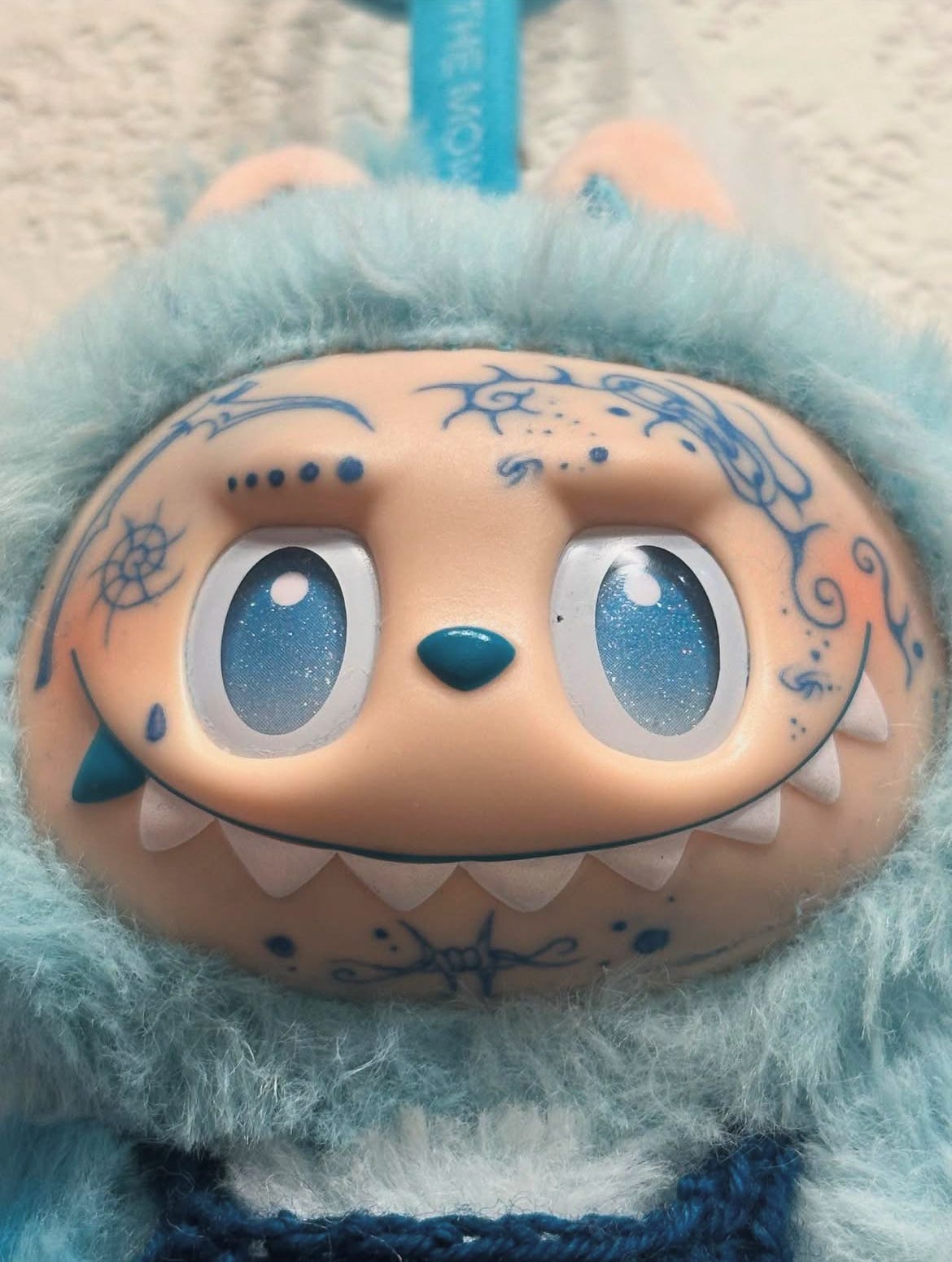
It’s cool that some tattoo artists are now offering their services to tattoo people’s Labubus. This kind of customization can be meaningful, in a sense, it acts as an extension of one’s aesthetic and therefore an extension of oneself. Some people take their collectibles very seriously but it doesn’t always have to be a neurotic ordeal. The blind boxes these dolls come in can cause meltdowns. I enjoy watching the 24karat gold Labubu lady’s satirical TikToks when they show up on my feed. Through satire, she emphasizes both the unserious and ridiculous way followers of the trend have begun to idolize these dolls. In doing this, she inadvertently highlights something I think about a lot. The aggressive micro trend cycles this generation has succumbed to is likely on the basis that people lack the conviction and self control to truly like things in earnest. Fashion historian and writer, Rian Phin, has adequately addressed the whiplash-inducing micro trend circuit that can be observed in popular culture. They often discuss how integral discipline is, as it pertains to personal style and using it to create dialogue within society.
As an anthropologist, I am mildly taking pleasure in analyzing this phenomena, as well as the people participating in it. People are probably deciding who belongs and who does not based on things as superficial as an authentic Labubu being attached to someone’s bag. I appreciate people who are buying the fake Labubus because it is socially disruptive. In a small way, it subverts the trend and the culture surrounding it. This is because some collectors are concerned with whose Labubu is authentic, and whose is counterfeit. Part of me is tempted to revel in the fact that the unspoken social contract that collectors have is breached when someone wears their fake Labubu. Micro trends are very effective in society, even in the midst of economic collapse. Consumerism won once again.
Photos are from @knottedneedles on Instagram.